
Vayu
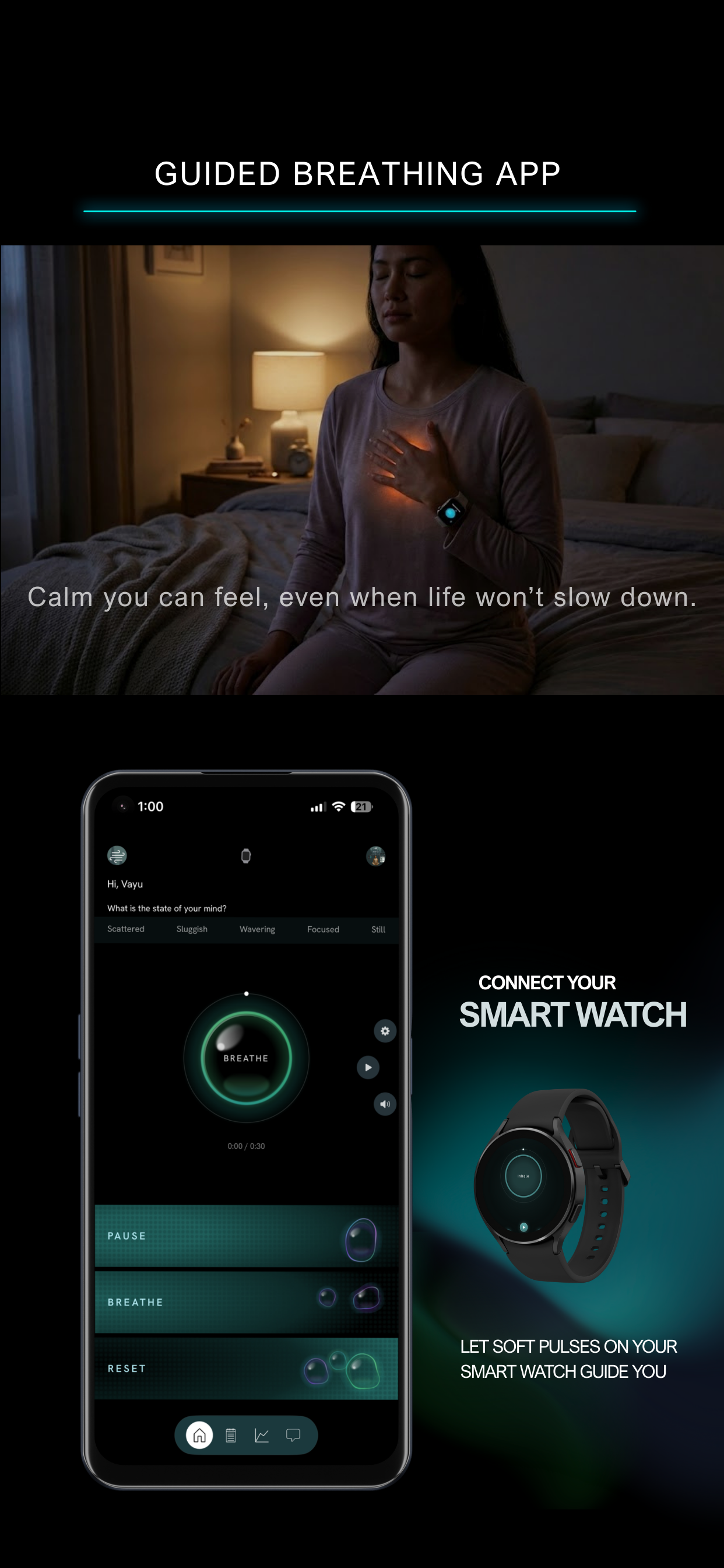
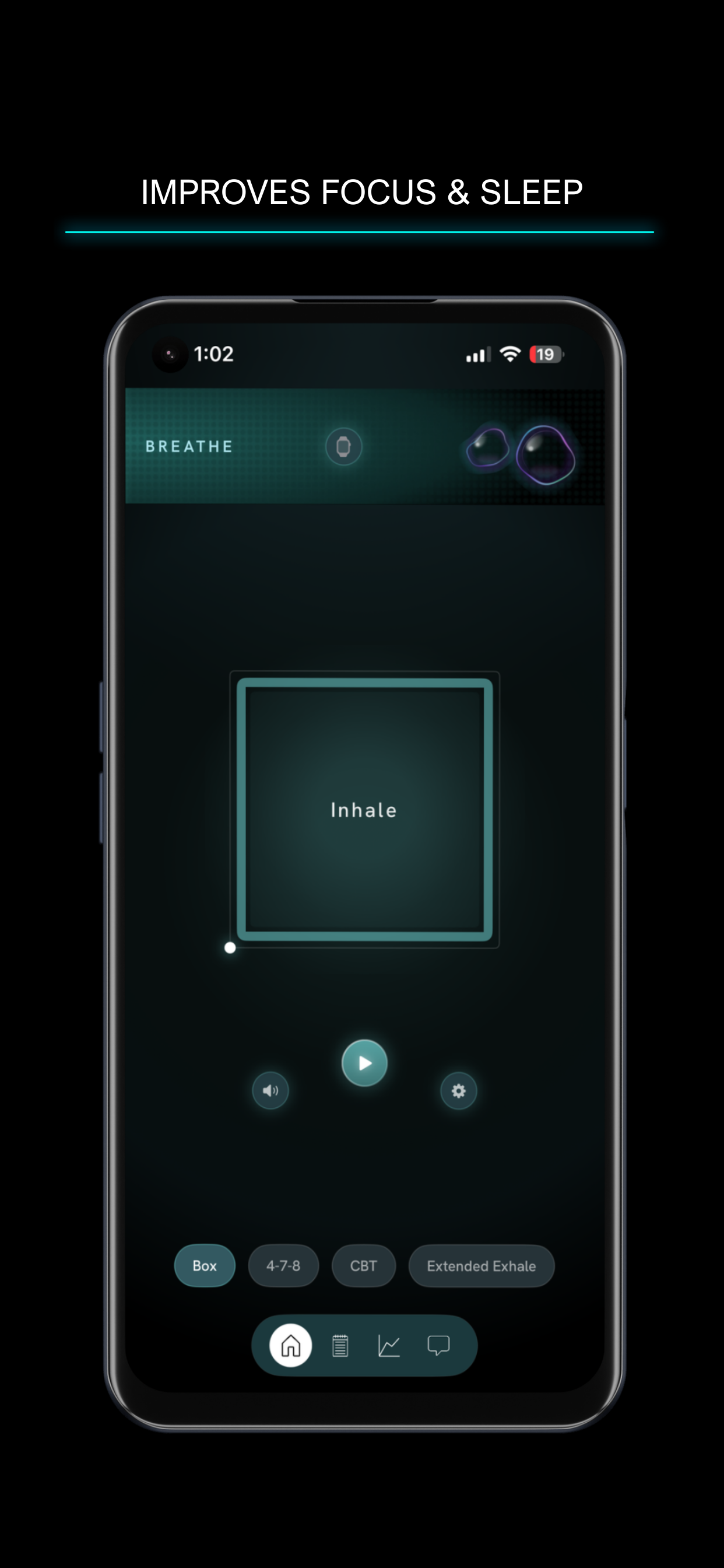
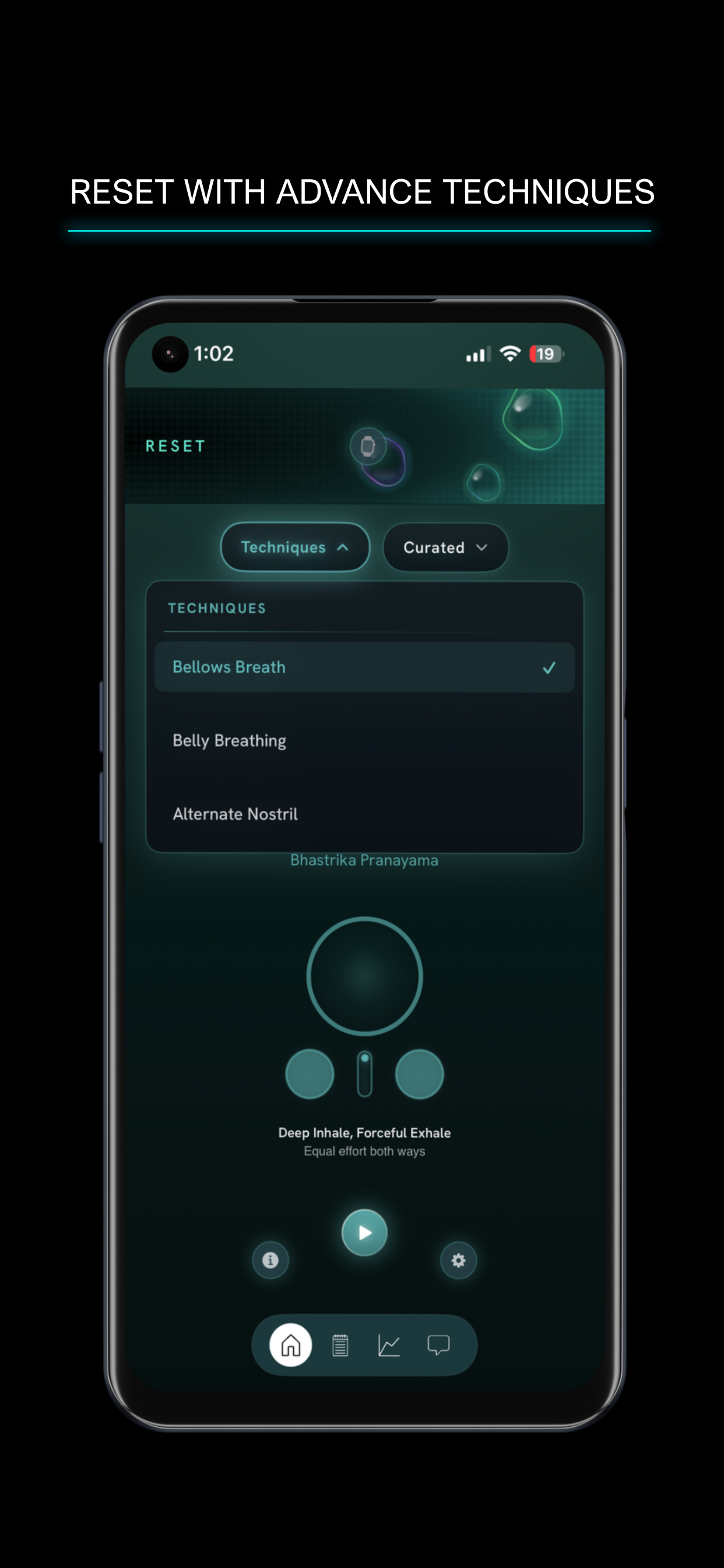
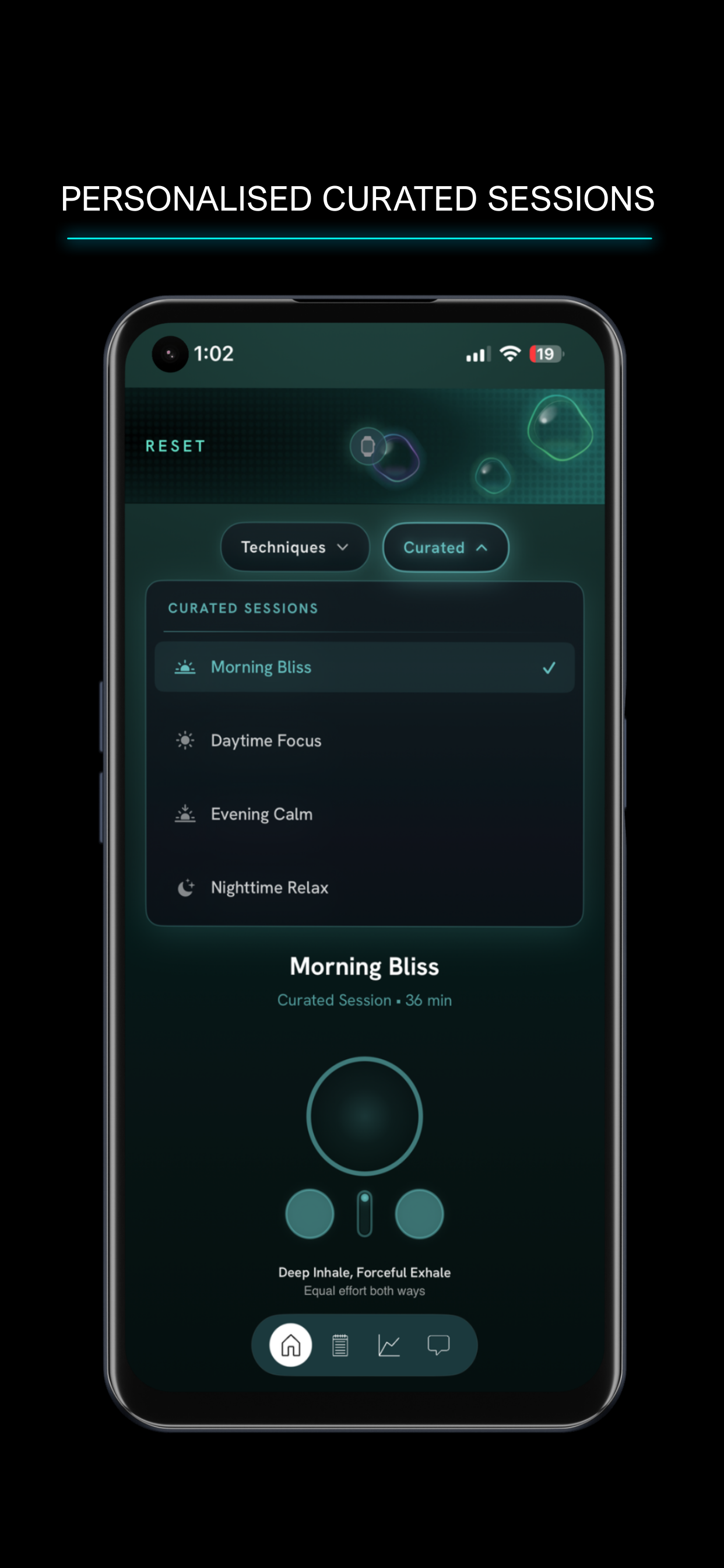
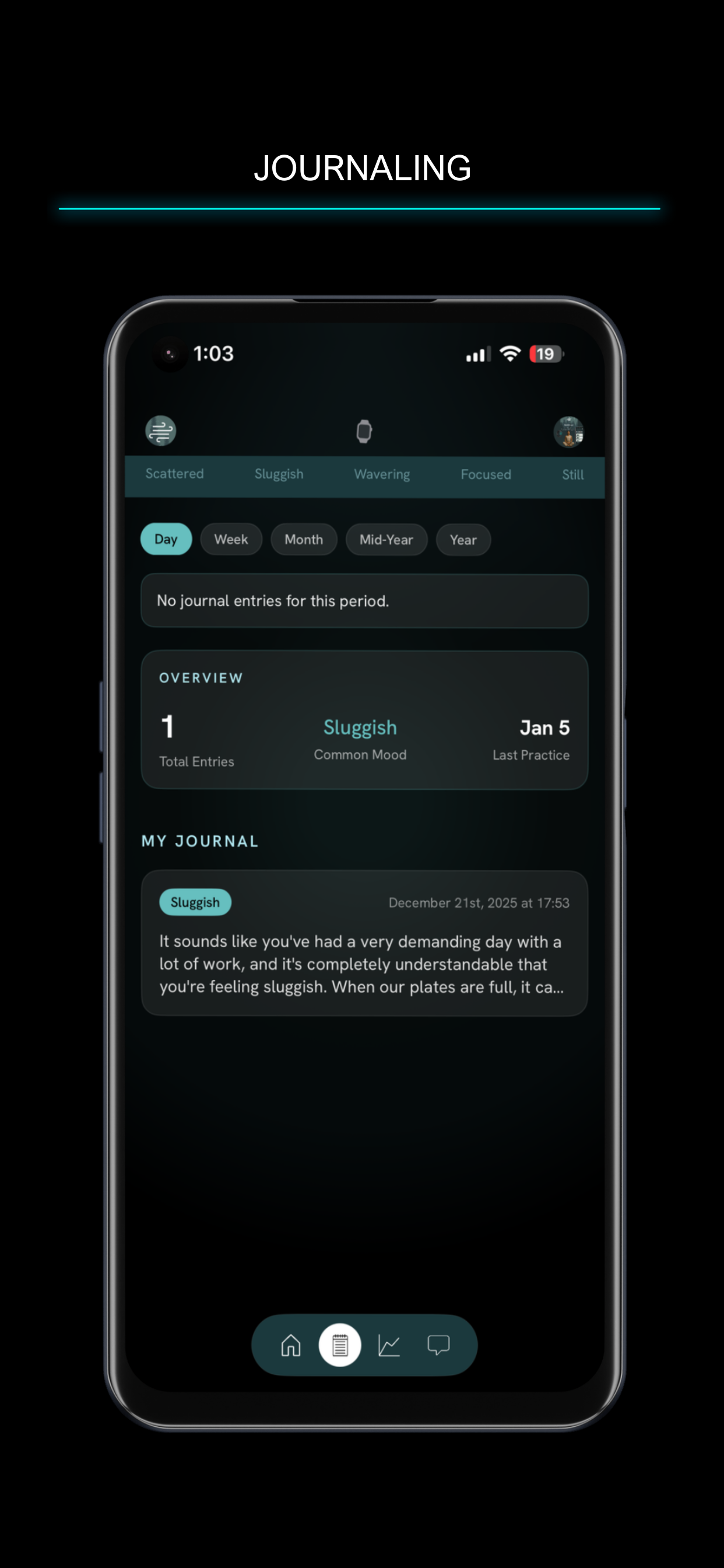
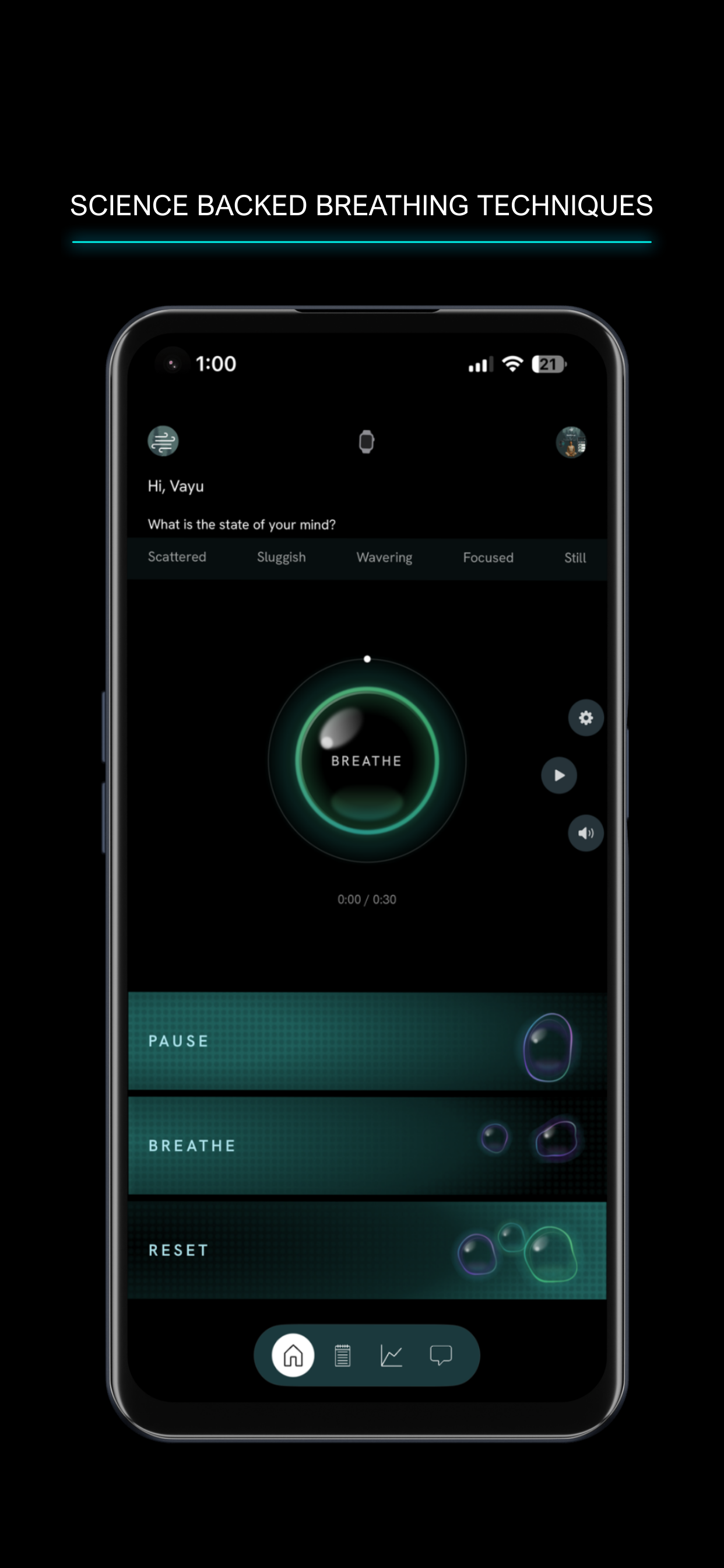
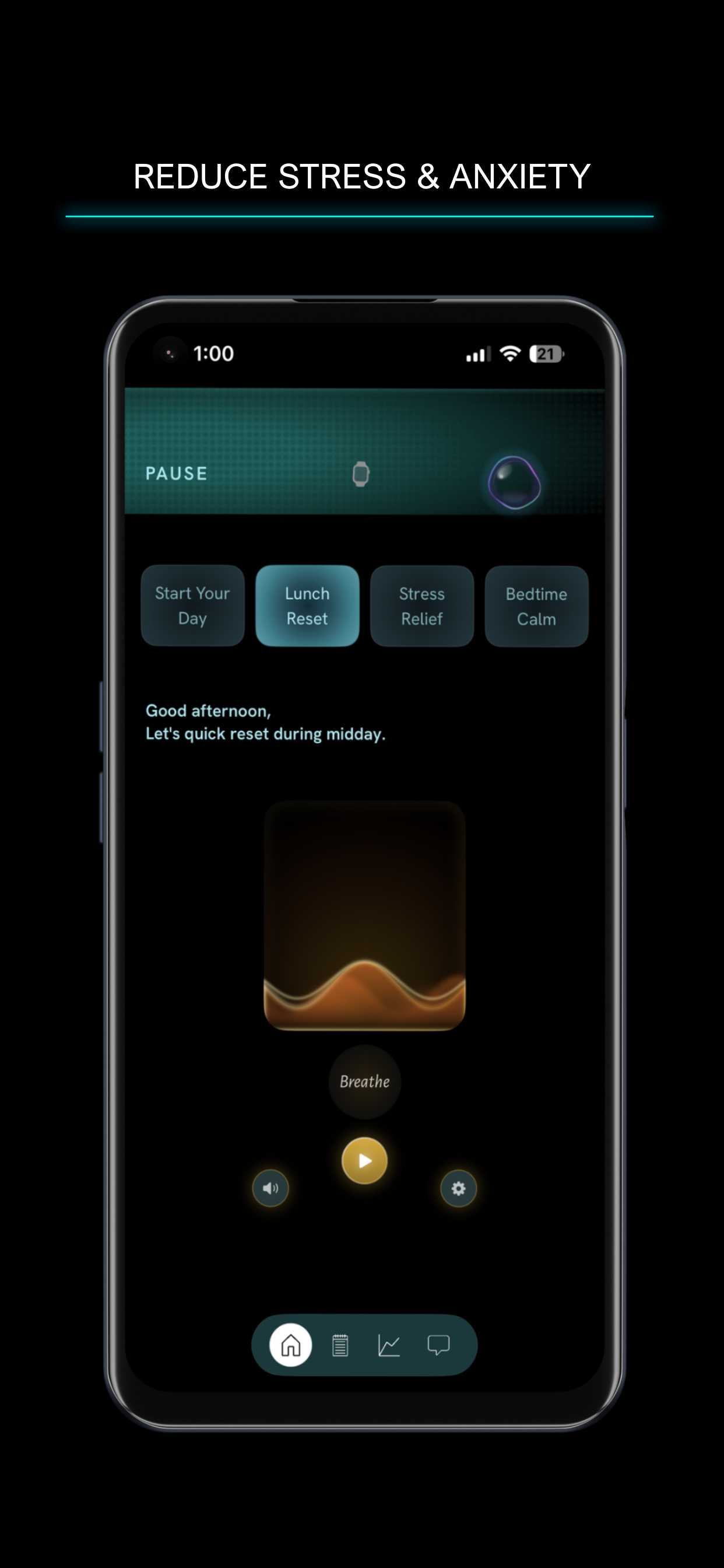
Vayu is a research-driven creative technology project that explores breathing as an interface for human–computer interaction, collective experience, and self-regulation. The project sits at the intersection of physiology, wearable computing, and embodied design, treating breath not as data to be optimized, but as a living signal to be felt, interpreted, and shared.
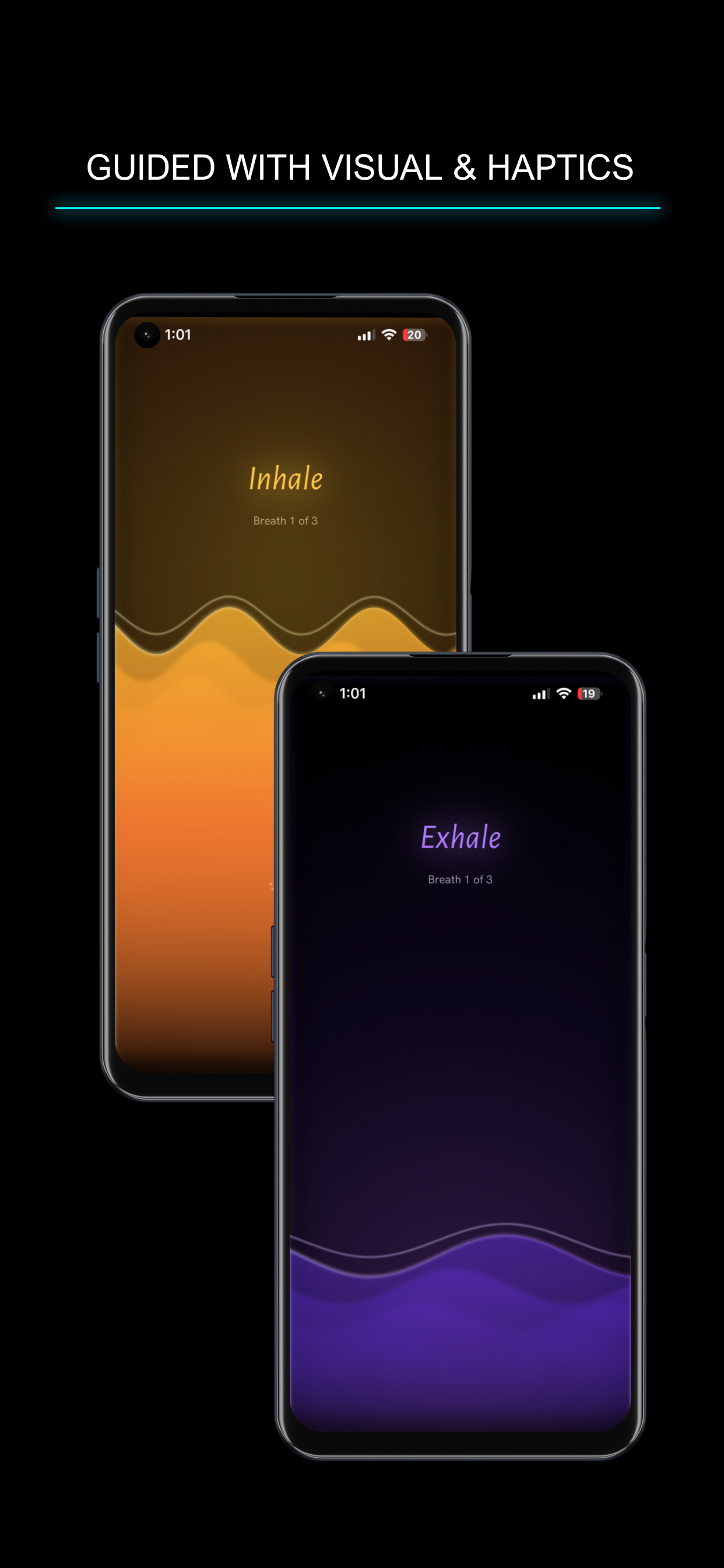
At its core, Vayu uses wearable biosignals such as heart rate variability, respiration patterns, and subtle bodily rhythms to create real-time feedback through haptics and visual systems. Instead of screens demanding attention, the system responds quietly through the body — delivering phase-specific vibrotactile patterns on-wrist that guide inhale, hold, and exhale phases — allowing participants to sense changes in their nervous system without external instruction or performance pressure.
Vayu emerged from a simple but unresolved question: What happens when technology adapts to the body's natural rhythms instead of asking the body to adapt to technology?
In many digital wellness tools, breath is reduced to timers, visuals, or cognitive prompts. Vayu approaches breath as a co-creative medium, one that can shape interaction, presence, and emotional regulation without language or explicit goals.
Pilot Study Achievements
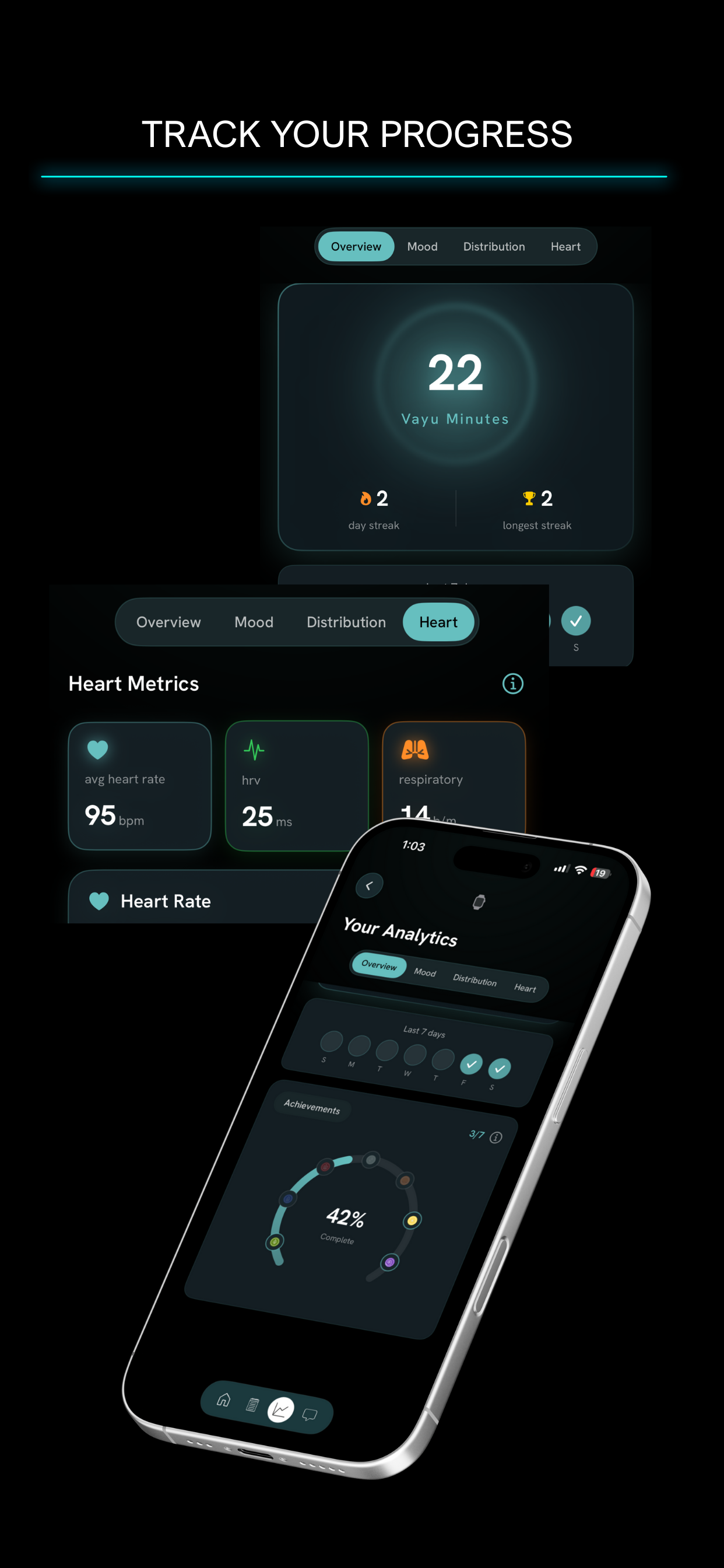
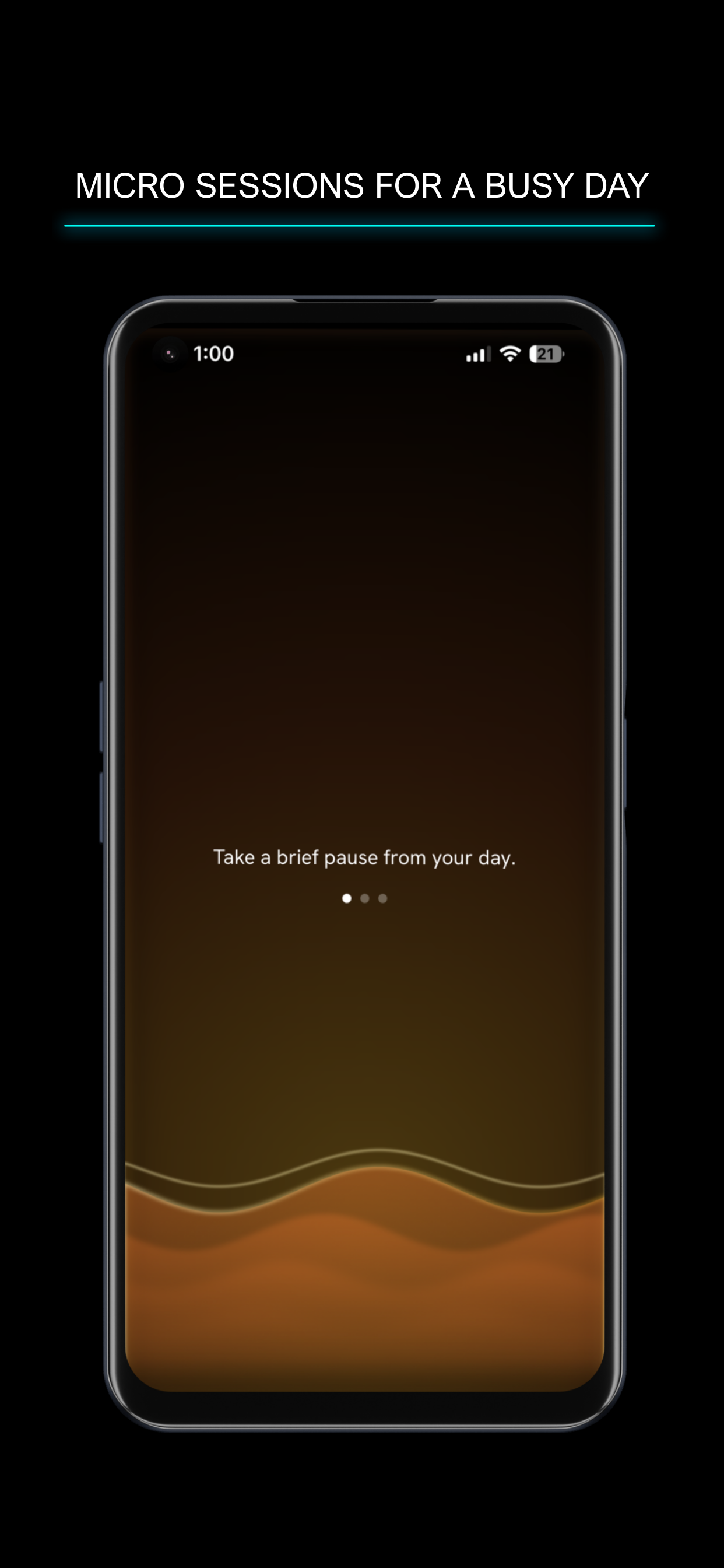
A 4–6 week naturalistic pilot study involving 199 adults across Canada, the United States, and India validated Vayu's approach. Participants engaged in daily 5–10 minute sessions guided entirely by on-wrist haptics and achieved strong engagement: an average of 4.1 sessions per week, with 71% of active users maintaining at least 3 sessions per week. By week four, perceived stress (PSS-10) decreased by 2.5 points (15% improvement, Cohen's d = 0.41), resting heart rate declined by 7.4 bpm, and HRV increased by a median of 28.6% relative to baseline — magnitudes aligned with instructor-led HRV-biofeedback literature despite entirely at-home delivery. The system also integrates reflective journaling grounded in Patanjali's five states of mind (Kshipta, Mudha, Vikshipta, Ekagra, Nirodha), and over the study period participants increasingly reported steadier cognitive states (Vikshipta and Ekagra), which co-occurred with higher HRV. No adverse events were reported, supported by a two-layer safety system with real-time hyperventilation risk monitoring. These findings demonstrate that eyes-free, HRV-adaptive haptic breathwork is feasible, well-tolerated, and shows promising early efficacy signals for accessible digital self-regulation.
Metacreation Context
Within a metacreation context, Vayu enables:
Embodied interaction, where participants influence systems through unconscious physiological states rather than deliberate commands
Collective biofeedback, allowing groups to experience shared rhythms and emergent patterns of calm, tension, or coherence
Non-verbal storytelling, where internal states become part of the creative output itself
The project has been explored through prototypes spanning wearable devices, interactive installations, and research tools designed for artists and researchers working with bio-interactive systems. These prototypes prioritize accessibility and openness, lowering the barrier for creative practitioners to work with complex physiological data without requiring deep technical expertise.
Future Directions: Vayu Meets Immersive VR
Building on the mobile breathwork foundation, the next phase of Vayu extends into immersive Virtual Reality through a phenomenological study currently underway at the Metacreation Lab. This research investigates how participants experience and make meaning of their breath awareness when guided by synchronized visual and haptic cues within a contemplative VR environment. The system integrates a Vernier respiratory belt sensor, Apple Watch haptic guidance, and two interactive Unity scenes — one using expanding/contracting spheres and another using vertical sphere movement to represent actual and target breathing patterns — all connected through a real-time data pipeline. Rather than measuring whether multimodal guidance "works" in quantitative terms, this study adopts Interpretative Phenomenological Analysis (IPA) to illuminate the embodied dimensions of synchronization, multimodal integration, proprioceptive awareness, and temporal dynamics as participants negotiate the relationship between their own breathing and the system's guidance. This phenomenological inquiry represents a deliberate shift from optimization toward understanding, seeking to uncover how immersive technologies can mediate contemplative practice in ways that measurement alone cannot reveal — and to generate design principles for the next generation of contemplative XR systems with wearable integration.
Product and Download
Vayu is available as a consumer product through Prana Labs Inc. The app is free to download on both iOS (App Store) and Google Play, with smartwatch support for Apple Watch, Pixel Watch, Samsung Galaxy Watch, and Wear OS devices. A Pro subscription unlocks curated sessions, pranayama techniques (Bhastrika, Kapalbhati, Anulom Vilom), analytics dashboards, AI-guided wellness support, and journaling. For more information about the product, company, and corporate wellness programs, visit vayu-prana.com.
Vayu is not positioned solely as a product or performance. It is an evolving inquiry into how breath, technology, and attention can coexist in more humane and intuitive ways. As part of the Metacreation ecosystem, the project contributes to broader conversations around embodied AI, slow technology, and the role of the nervous system in creative practice.
Ultimately, Vayu invites a shift in perspective: from interaction as control, to interaction as listening.